|
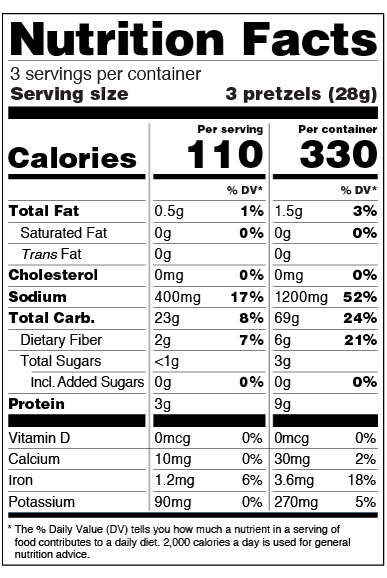
The Atwater system is used to calculate the total calories of foods using standard values:
9 kcal per gram of lipids 7 kcal per gram of alcohol 4 kcal per gram of carbohydrates and protein 1000 C = 1 kcal 1 kcal = 1 C Sample calculation: 4 g lipids 3 g carbohydrates 50 C declared value NOTE: Don’t forget to cancel units! 4 g × 9 kcal = 36 kcal = 36 C 3 g × 4 kcal = 12 kcal = 12 C Total = 48 C 50 C − 48 C = 2 C difference |
| What are vitamins? | Vitamins are organic compounds required in very small amounts. Too much fat-soluble vitamins (A, D, E, K) can be harmful. |
|
Fat-soluble vitamins: Stored in fat and liver (A, D, E, K)
Water-soluble vitamins: Not stored in the body (except B12) and must be consumed regularly (B-complex and C) |
| Water-Soluble Vitamins | Vitamin B |
|
B1 – Energy from glucose
B2 – Energy production B3 – Converts carbs, fats, alcohol to energy B5 – RBC & steroid production B6 – Protein & RBC formation B7 – Hair, nails, metabolism B9 – RBCs & fetal nervous system B12 – Nerve protection & RBCs |
| Vitamin C |
|
Supports immune system, wound healing, and collagen production.
Deficiency causes scurvy and delayed healing. |
| Fat-Soluble Vitamins | Vitamin D |
|
Strengthens bones and teeth by helping absorb calcium and phosphorus.
Deficiency causes rickets and bone weakness. Note: Sunlight triggers production—it doesn’t contain vitamin D. |
| Vitamin E |
|
Supports skin, eyes, and circulation.
Deficiency may cause weakness and vision problems. |
| Vitamin A |
|
Important for eyesight, immunity, and white blood cell production.
Deficiency may cause blindness and skin disorders. |
| Vitamin K |
| Essential for blood clotting, bone metabolism, and heart health. |